



















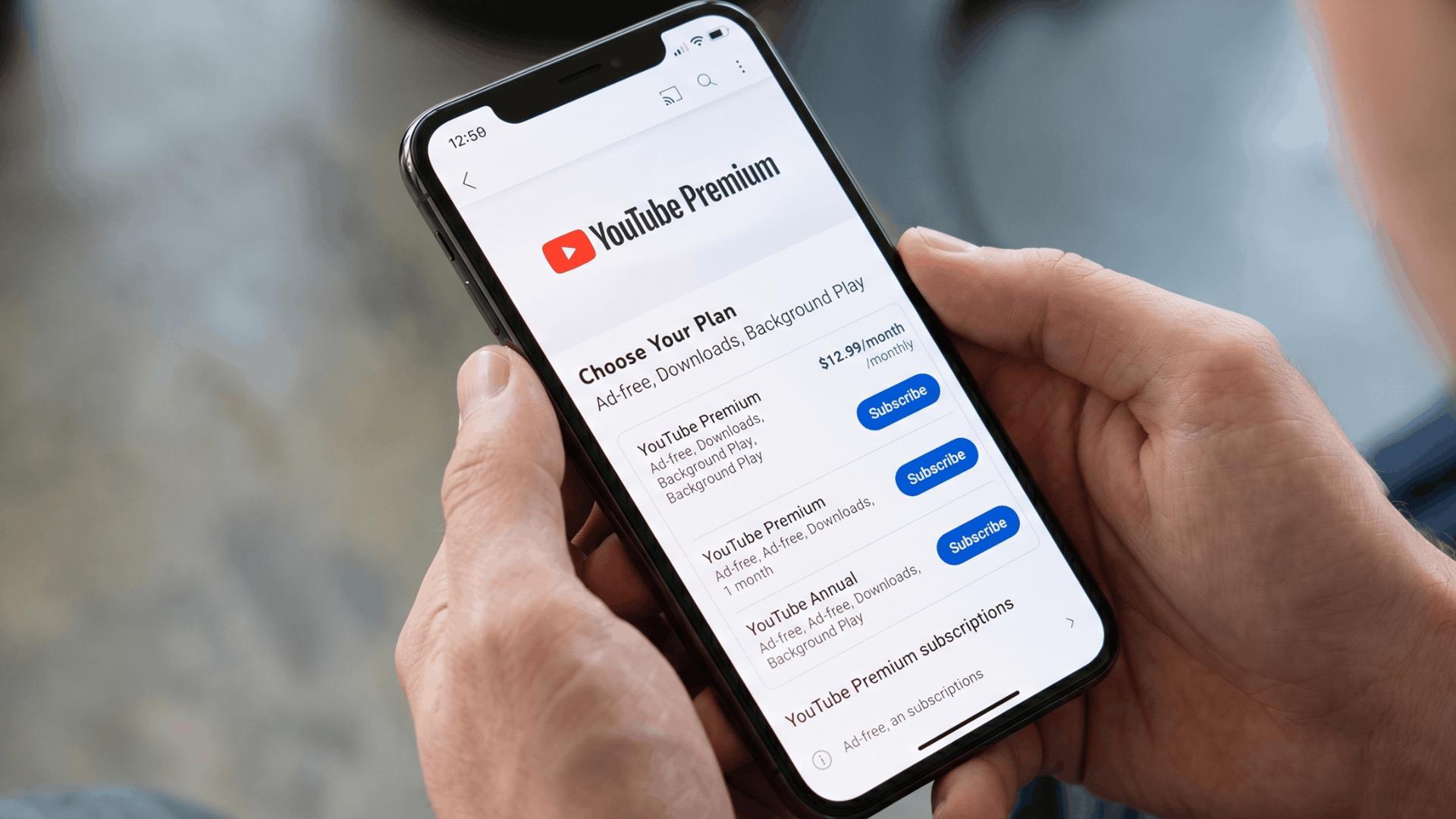
YouTube Premium individual jumped $2 to $15.99/month (family plan +$4 to $26.99). This is the second hike in 3 years. For gamers, YouTube isn't optional, it's where you find guides, patch notes, lore, speedruns. Combined with recent Game Pass ($29.99) and PS Plus increases, plus $70 Switch 2 games, subscription costs have hit an unsustainable $70-90/month before buying a single new title. The industry is pricing itself toward wishlists and sale-waiting.
YouTube just raised Premium prices again. Individual plans went from $13.99 to $15.99. Family plan jumped from $22.99 to $26.99. YouTube Music followed suit. It happened April 10th and if you're on subscription billing, you probably saw it already.
This is the second hike in three years. Each one feels incremental until you do the math.
The Subscription Stack Problem
Gamers aren't cancelling YouTube Premium over $2. They're looking at the full list.
That's $70-90 per month in subscriptions alone, before you own anything new. Before day one of any game you actually want to play.
For context: that's double what a Netflix account costs. Three times what Spotify Premium runs.
Why This Matters for Price Hunters
YouTube isn't optional for gamers. You don't subscribe for background noise. You subscribe because you need build guides for Elden Ring. Patch notes for your main game. A speedrun you can actually watch without 45 ads breaking your focus. Lore breakdowns that take 30 minutes. Gaming content doesn't fit neatly into ad breaks.
Without Premium, the free tier has become painful. Multiple unskippable ads before videos even start, frequent mid-roll interruptions on longer content. For a 40-minute guide or a 20-minute breakdown, Premium stops being luxury and starts feeling essential.
And that's the trap. Google knows this. That's why they can raise prices.
The Broader Pattern
This isn't about YouTube alone. It's a signal.
Each move seems isolated. Together, they paint a picture: subscriptions aren't replacement value anymore. They're baseline cost. Publishers are testing how high they can push before players actually walk away.
What Gamers Will Do
Subscription fatigue is real and it's spreading. Not everyone can sustain $70-90 monthly commitments. Expect churn.
Smarter players will audit which services actually deliver value. Maybe you keep Game Pass and drop PS Plus. Maybe you rotate, sub for one month to play a game, then cancel. Maybe you go back to waiting for sales. Steam's regional pricing flexibility, GOG's DRM-free library, and key resellers suddenly look more attractive again.
The math has shifted. Patience becomes profitable. Wishlists become strategy. Day-one convenience becomes a luxury tax.
The Bottom Line
YouTube Premium at $16/month isn't unreasonable in isolation. But isolation doesn't exist anymore. When every service is hiking prices simultaneously, and bundling isn't available, subscription fatigue becomes a rational decision, not a whim.
The industry thought unlimited subscriptions would make players less price-sensitive. Turns out, stacking unlimited subscription bills just makes people count differently. They start tracking total spend instead of per-service value. And right now, the total is unsustainable.
For Dealshub shoppers, that means one thing: patience is paying off again. The subscription gold rush is cooling. Sales, wishlists, and waiting are no longer compromises. They're smart moves.


Comments
Join the discussion soon
Comments are coming. Be one of the first to share your take.