













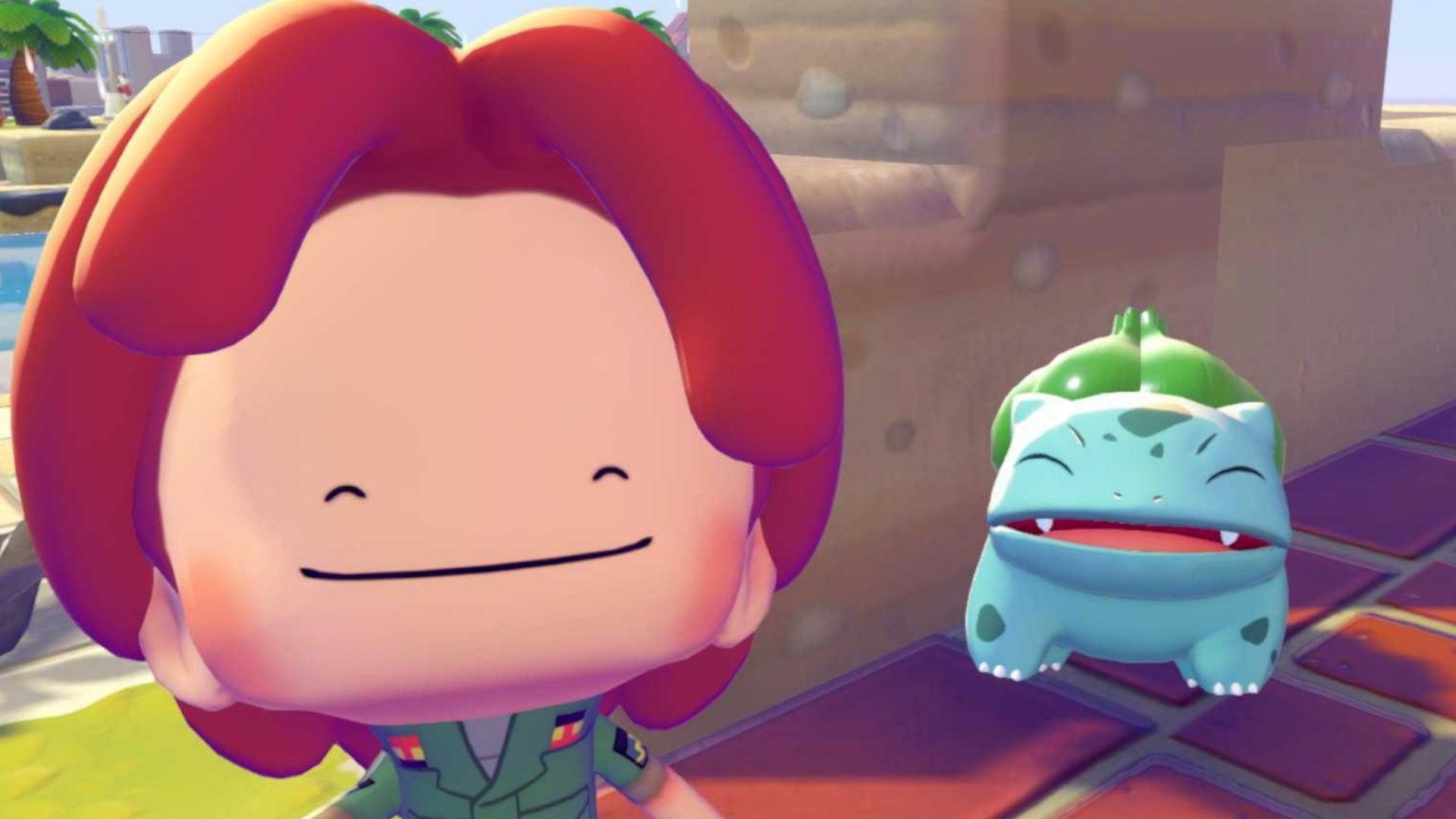
Pokémon Pokopia and Nioh 3 smashed expectations so hard that Koei Tecmo revised its profit forecast from ¥27 billion ($169M) to ¥55.5 billion ($348M). When blockbusters hit this hard, publishers double down on sequels and price hikes, not discounts.
When a game hits this big, the entire publisher shifts. Koei Tecmo just proved it by revising its annual profit forecast up by 50%, crediting Pokémon Pokopia and Nioh 3 for the windfall.
Pokopia sold 2.2 million units in its first four days on Switch 2. Nioh 3 broke the series' sales record. Together with Fatal Frame 2's Crimson Butterfly Remake, Koei Tecmo's fourth quarter was so strong it moved the needle on the whole company's finances. Operating profit is up 16%, but ordinary profit, the real bottom line, jumped 50%.
Not all of that is game sales, mind you. Koei Tecmo's earnings notice mentions "significant gains in non-operating income" from stock market moves. But the game launches were the driver.
Here's why this matters for your wallet. When a publisher posts numbers this good, they have leverage. They're betting bigger on sequels, demanding higher budgets, and feeling confident about premium pricing. Pokopia's success doesn't mean Pokopia 2 will be cheaper. It means it'll probably cost more, launch on day one, and possibly go straight to subscription.
This is also a win for Omega Force, the Koei Tecmo team behind Dynasty Warriors, who co-developed Pokopia with Game Freak. That kind of pedigree, small internal studio, trusted IP partnership, massive hit, is the recipe publishers want to replicate. Expect more sequels, more spin-offs, and less room for risk-taking on new franchises.
The cozy game trend just became a profit machine. That's good news if you love simulation games. Bad news if you're waiting for a price cut.



Comments
Join the discussion soon
Comments are coming. Be one of the first to share your take.